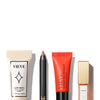
How to Blend Contour Makeup
If you want sculpted, lifted skin that still looks like your skin, blending is everything.
Because here’s the thing — it’s not contour that makes or breaks your makeup, it’s how you blend contour makeup. The difference between seamless definition and muddy, disconnected lines? Technique.
In this guide, we’re showing you exactly how to blend contour makeup using a cream contour stick, plus how to layer it with bronzer, blush and highlighter so everything melts together. Let’s go.

Understanding contour placement on the face
Contour isn’t about drawing new features on your face; it’s about enhancing what’s already there and working with your existing bone structure.
The key areas that people tend to contour are:
- Under the cheekbones
- Around the temples
- Along the jawline
- Lightly down the sides of the nose (if you want extra definition)
A small tweak that makes a big difference? Keep your contour slightly higher on the cheek. It lifts the face instantly, whereas placing it too low can drag your features down.
How to use a cream contour stick
When it comes to how to use a contour stick, less really is more.
Start with a light hand. You can apply your cream contour stick directly onto the skin or pick it up with a brush — whatever feels more natural to you.
Instead of drawing one long stripe (we’ve all be there), use short, controlled strokes. It gives you more control and makes it much easier when it comes to blending.
The goal? Soft, diffused definition that looks natural.

Blending techniques that avoid harsh lines
This is where everything comes together (or doesn’t).
If you’ve ever struggled with patchiness or harsh edges, it usually comes down to how you’re blending.
- A dense brush = more precision
- A damp sponge = softer, more diffused finish
- Fingers = great for melting product into the skin
Whichever you use, the technique matters more than the tool.
Think tapping and small circular motions, not dragging. Dragging can move your base underneath and create uneven patches. Tapping keeps everything exactly where it should be while softening the edges.
And always blend upwards. This keeps the face lifted and the contour looking natural.

How bronzer fits into your contour routine
Contour and bronzer get confused all the time, but they do completely different jobs.
Contour adds structure. Bronzer adds warmth. Contour works by imitating natural shadow, which is why cooler tones are key. It sculpts and defines without looking like obvious colour on the skin. Bronzer does the opposite. It brings warmth back in, mimicking that soft, sun-kissed glow you get from time in the sun.
When you’re contouring with a contour stick, bronzer should sit just above where you’ve placed your contour, blending into it rather than covering it. This creates that seamless transition from shadow to warmth.

Where to apply blush with contour
Blush is what brings everything back to life. It’s designed to mimic the natural flush in the skin. That soft, healthy colour you get when your cheeks warm up. But we wear it evolves with trends.
Right now, blush is having a moment. Placement is higher, more lifted, sometimes even swept across the temples for that sculpted, editorial finish. It’s less about looking strictly natural and more about enhancing the shape of the face.
That said, placement still matters. After contour and bronzer placement, apply blush slightly higher on the cheeks and blend it into your bronzer. This ties everything together and adds that fresh, lifted finish.
Keeping blush too low or too central can interrupt the shape you’ve just created, so think lifted and diffused.
How to contour and highlight
If contour creates shadow, highlighter brings the light back in. Highlighter is designed to mimic how light naturally hits the skin. like when you’re in the sun and your cheekbones catch that soft glow.
Apply to the high points of the face — tops of cheekbones, bridge of the nose, brow bone — to enhance the structure you’ve just built.
A liquid highlighter works beautifully with cream contour, as it melts into the skin and blends seamlessly. The key is to tap it in gently, so it sits within your base, rather than on top of it.

How to layer and blend contour with your makeup
Layering is what takes your makeup from “nice” to seamless. The easiest way to avoid muddiness? Stick to a simple order:
Contour, then bronzer, then blush, and then highlight.
Each product should blend slightly into the next, rather than sitting in separate blocks. This is what gives you that skin-like result.

Common contour blending mistakes and how to fix them
A few of the biggest mistakes when learning how to blend contour makeup:
- Too much product at once: harder to blend, easier to look patchy
- Placing contour too low: can drag the face down
- Not blending edges properly: leaves obvious lines
- Overlapping too much product: creates muddiness
The fix is simple: use less, build slowly, and focus on blending the edges — not the entire product away.
Shop the VIEVE Silhouette Stick or explore more of our guides
Now that you understand how to blend contour makeup within a full routine, you can put it into practice! Using a contour stick alongside a cream bronzer, blush and liquid highlighter helps create a seamless, skin-like finish that feels balanced rather than overworked.
Our Silhouette Stick’s creamy formula effortlessly melts into your skin and features a sleek design that ensures precision, making application a breeze.
If you want to refine your technique further, explore more makeup how-to guides that break down application, placement and blending in more detail. Building confidence with each step will make your routine quicker, more consistent and easier to adapt for different looks.
FREQUENTLY ASKED QUESTIONS
How to find your ideal shade of contour?
How to find your ideal shade of contour?
The right contour shade should look like a natural shadow on your skin — not obvious colour. A good rule is to go one to two shades deeper than your natural skin tone, with a cool undertone. If it looks warm or bronzed, it’s not quite right for contour.Every one of the six shades of Silhouette Stick is truly cool-toned.
What is the difference between contour and bronzer application?
What is the difference between contour and bronzer application?
Contour is all about structure. It’s placed just above where natural shadows fall to create depth and shape.Bronzer is where the warmth comes in. It’s applied to the high points of the face, where the sun would naturally hit, to give that soft, sun-kissed glow.
Where should contour makeup be placed on the face?
Where should contour makeup be placed on the face?
Focus on the areas where shadows naturally sit — under the cheekbones(but place it slightly higher to get a lifted effect), around the temples and lightly along the jawline.The key is to follow your natural bone structure rather than trying to reshape your face completely.
Can you use cream contour with other powder makeup products?
Can you use cream contour with other powder makeup products?
Yes. You just need to layer correctly.Apply cream products first so they blend smoothly into the skin, then set or layer powders on top if needed. This helps avoid patchiness and keeps your base looking fresh.
How to blend contour with bronzer and blush
How to blend contour with bronzer and blush
The key is to let each product melt into the next.Start with contour to create structure, then add bronzer for warmth, followed by blush to bring everything back to life. Instead of layering them in separate blocks, gently blend the edges where they meet so the transition feels seamless.